14 Jul 2026
Algorithmic Impacts on Hybrid Table Game Payouts in Growing Digital Gambling Markets

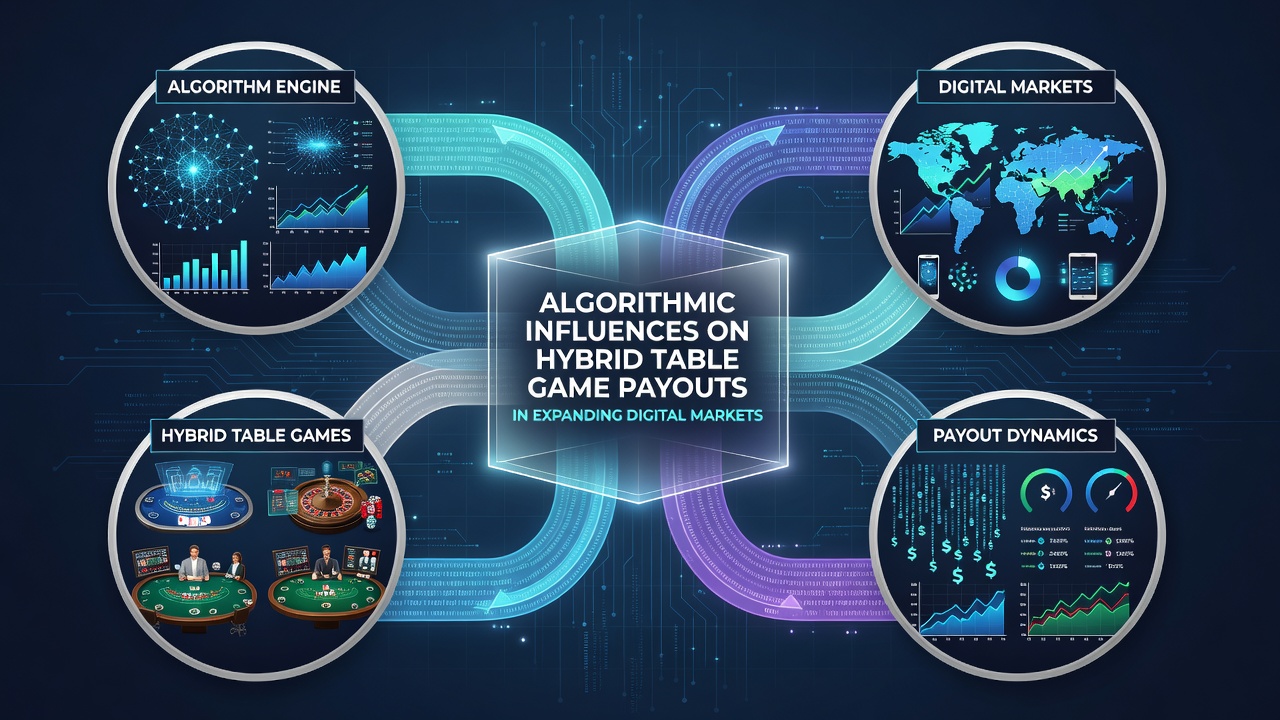
Hybrid table games combine elements from multiple formats such as blackjack, rummy, and poker variants, and these offerings have expanded rapidly in digital environments where algorithms determine payout structures and return rates. Data from industry reports indicate that licensed platforms in multiple jurisdictions adjusted these systems throughout 2025 and into mid-2026 to accommodate increased player volumes and regulatory requirements. Observers note that the integration of machine learning models allows operators to modify payout percentages in real time based on aggregated play patterns, game mix selections, and market conditions.
Expansion Patterns in Digital Markets
Global digital gambling sectors recorded steady growth through the first half of 2026, with hybrid table game categories contributing notably to overall revenue in states and provinces that permit such offerings. Figures released by the Nevada Gaming Control Board showed consistent quarterly increases in online table game handle, while similar trends appeared in Canadian provincial data and Australian market analyses. Algorithms process large datasets from player sessions to calibrate payout frequencies, ensuring compliance with minimum return-to-player thresholds set by each jurisdiction while responding to volume fluctuations.
Platforms operating hybrid formats often deploy dynamic adjustment engines that evaluate factors including average bet sizes, session durations, and concurrent game selections. Researchers at academic institutions have examined these systems and found that algorithmic calibration frequently results in subtle shifts to bonus trigger rates and side bet outcomes across combined game environments. Those who track regulatory filings observe that operators must document these changes for audit purposes, creating transparency requirements that vary by region.
Mechanisms Behind Algorithmic Payout Adjustments
Core algorithms rely on random number generators certified by independent testing laboratories, yet additional layers apply optimization routines that influence long-term payout distributions. In hybrid setups, the system evaluates cross-game interactions such as shared card pools or sequential play mechanics, then redistributes return percentages accordingly. Evidence from technical reviews indicates that these routines operate within predefined variance bands to maintain fairness certifications while meeting operator margin targets.
One documented approach involves reinforcement learning models that simulate thousands of session outcomes daily and recommend parameter tweaks. These recommendations undergo review by compliance teams before implementation, particularly in markets where July 2026 updates to licensing agreements emphasized stricter documentation of algorithmic changes. Data indicates that platforms incorporating such models reported more stable payout ratios during periods of rapid user growth compared with static systems.
Regulatory Oversight and Compliance Requirements
Regulators in expanding markets have introduced guidelines addressing algorithmic transparency in table game products. The Malta Gaming Authority, for instance, requires periodic submission of algorithm audit reports that detail how payout modifiers respond to player activity data. Similar provisions appear in frameworks administered by state-level bodies in the United States and provincial authorities in Canada, each mandating that changes remain within certified mathematical boundaries.
Industry associations such as the European Gaming and Betting Association have published position papers outlining best practices for documenting algorithmic influences on hybrid game returns. These documents emphasize version control, change logs, and independent verification procedures. Studies conducted by university research groups have analyzed compliance outcomes and noted that jurisdictions with detailed algorithmic reporting rules experienced fewer disputes over payout calculations during the 2025-2026 expansion cycle.
Observed Effects on Player Returns and Platform Operations
Platform operators report that algorithmic management of hybrid table game payouts enables more precise alignment between game mix popularity and overall hold percentages. When certain combinations attract higher volumes, the system can redistribute return allocations across linked titles without manual intervention. Technical analyses reveal that such redistribution occurs within narrow operational windows to preserve certified return ranges.
Market research from firms tracking digital gambling trends shows that hybrid formats with algorithmically tuned payouts maintained higher retention metrics in competitive regions during early 2026. These patterns hold across both established markets and newer jurisdictions entering the digital space. External links to detailed regulatory filings and academic examinations appear in public reports from sources such as the Nevada Gaming Control Board and proceedings from international gaming research conferences.
Future Trajectories and Technical Developments
Continued expansion of digital markets through the remainder of 2026 will likely prompt further refinement of algorithmic tools used for hybrid table game management. Developers continue to integrate additional data streams, including real-time regulatory updates and cross-platform performance indicators, into decision models. Technical documentation indicates that future iterations may incorporate predictive elements that anticipate volume shifts based on seasonal or promotional factors.
Those monitoring sector developments note that the interplay between algorithmic systems and payout structures remains subject to ongoing regulatory scrutiny. Compliance frameworks continue to evolve alongside technological capabilities, requiring operators to maintain adaptable yet auditable processes. Research indicates that platforms balancing these demands have sustained operations across multiple jurisdictions without interruption.
Conclusion
Algorithmic systems now form an integral component of payout determination for hybrid table games in expanding digital markets, processing data to maintain compliance while responding to operational conditions. Regulatory bodies across regions enforce documentation and verification standards that shape how these tools function. Available data through mid-2026 illustrates consistent application of such systems amid market growth, with technical and compliance practices adapting in tandem.