11 Jun 2026
CFTC Unveils Draft Rules for Event Contracts on Prediction Platforms

On June 10 2026 the U.S. Commodity Futures Trading Commission issued draft regulations that create a structured review process for event contracts traded on platforms such as Kalshi and Polymarket and observers note this marks a significant step in federal oversight of prediction markets. The proposals establish a case-by-case evaluation system for contracts tied to sports outcomes political results elections awards ceremonies and similar occurrences with the goal of identifying those that run counter to the public interest including any that involve gaming activities crime terrorism assassination or war. According to the announcement the framework seeks to balance market integrity safeguards with opportunities for responsible product development in this emerging sector.
Background on Prediction Markets and Event Contracts
Prediction markets have operated for years through platforms that allow participants to trade contracts based on the likelihood of specific future events yet federal regulators have long scrutinized whether certain contracts resemble forms of gambling. The CFTC previously approved some event contracts while blocking others that appeared to fall outside permissible bounds and data from recent years shows growing participation in these markets across political and entertainment categories. Those who've studied the sector point out that Kalshi and Polymarket have expanded offerings to include contracts on election results sports championships and award show winners which prompted calls for clearer guidelines.
Key Elements of the Proposed Regulations
The draft rules outline a systematic approach where the CFTC would examine each proposed contract individually to assess potential conflicts with public interest standards and this process applies specifically to contracts covering sports politics elections awards and additional event types. Contracts that involve or promote gaming crime terrorism assassination or war would face heightened scrutiny and likely rejection under the new framework while the agency retains authority to approve those deemed consistent with regulatory objectives. Experts have observed that this case-by-case method replaces broader categorical bans with more tailored evaluations that consider the specific terms and potential impacts of each contract.
Chair Michael Selig emphasized during the release that the proposals intend to protect market integrity while permitting responsible innovation and the statement highlighted how the rules would provide clearer pathways for platforms to introduce compliant products. The CFTC press materials further detail that the review would incorporate input from various stakeholders to ensure comprehensive assessment of each submission.
Reactions from States Tribes and Industry Participants
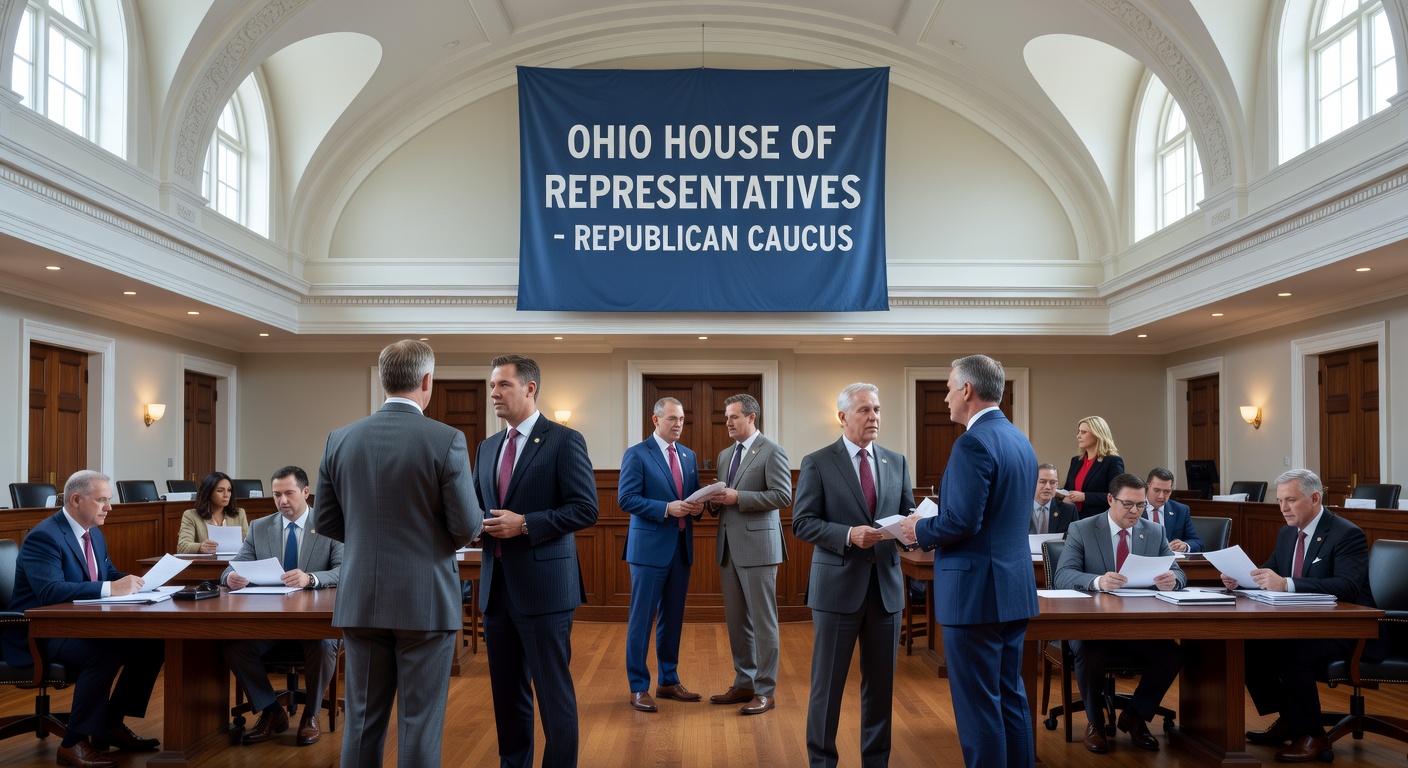
States and tribes have voiced opposition to the draft regulations citing concerns that expanded prediction markets could encroach on illegal gambling prohibitions under existing state laws and these groups argue the federal framework may not adequately address local regulatory authority. Representatives from several jurisdictions have indicated they plan to submit formal comments during the public review period to advocate for stronger protections against unauthorized wagering activities. Those who've followed similar regulatory developments note that tribal gaming interests in particular have raised questions about how event contracts might intersect with sovereign gaming operations on reservations.
Industry participants meanwhile have generally welcomed the clarity offered by the proposals though some express caution about the potential for lengthy review timelines that could delay product launches. Platforms like Kalshi and Polymarket have previously navigated CFTC approvals for certain contracts and the new process is expected to formalize what had been more ad hoc evaluations in prior years.
Implementation Timeline and Next Steps
Following the June 10 2026 release the CFTC opened a comment period during which interested parties can submit feedback on the draft regulations and the agency anticipates finalizing rules after reviewing input from regulators industry representatives and the public. Observers note that once adopted the framework would require platforms to submit detailed applications for new event contracts which would then undergo the public interest analysis before trading approval. The process is designed to incorporate considerations of market manipulation risks liquidity concerns and alignment with broader consumer protection goals.
Additional guidance documents accompanying the proposals explain how the CFTC would evaluate factors such as contract design settlement mechanisms and potential for harm to participants or society at large. Researchers who track regulatory trends in financial markets have pointed to similar case-by-case approaches in other commodity categories as models for this prediction market oversight system.
Conclusion
The June 2026 draft regulations represent an effort by the CFTC to establish consistent standards for event contracts while addressing longstanding questions about their regulatory status and the outcome of the public comment period will shape how platforms like Kalshi and Polymarket proceed with future product offerings. States and tribes continue to engage with the process to ensure their concerns receive consideration before any final rules take effect.