Ohio Lawmakers Target Online Sports Betting with Strict New Limits
16 Apr 2026
Ohio Lawmakers Target Online Sports Betting with Strict New Limits

The Push for Reform in the Buckeye State
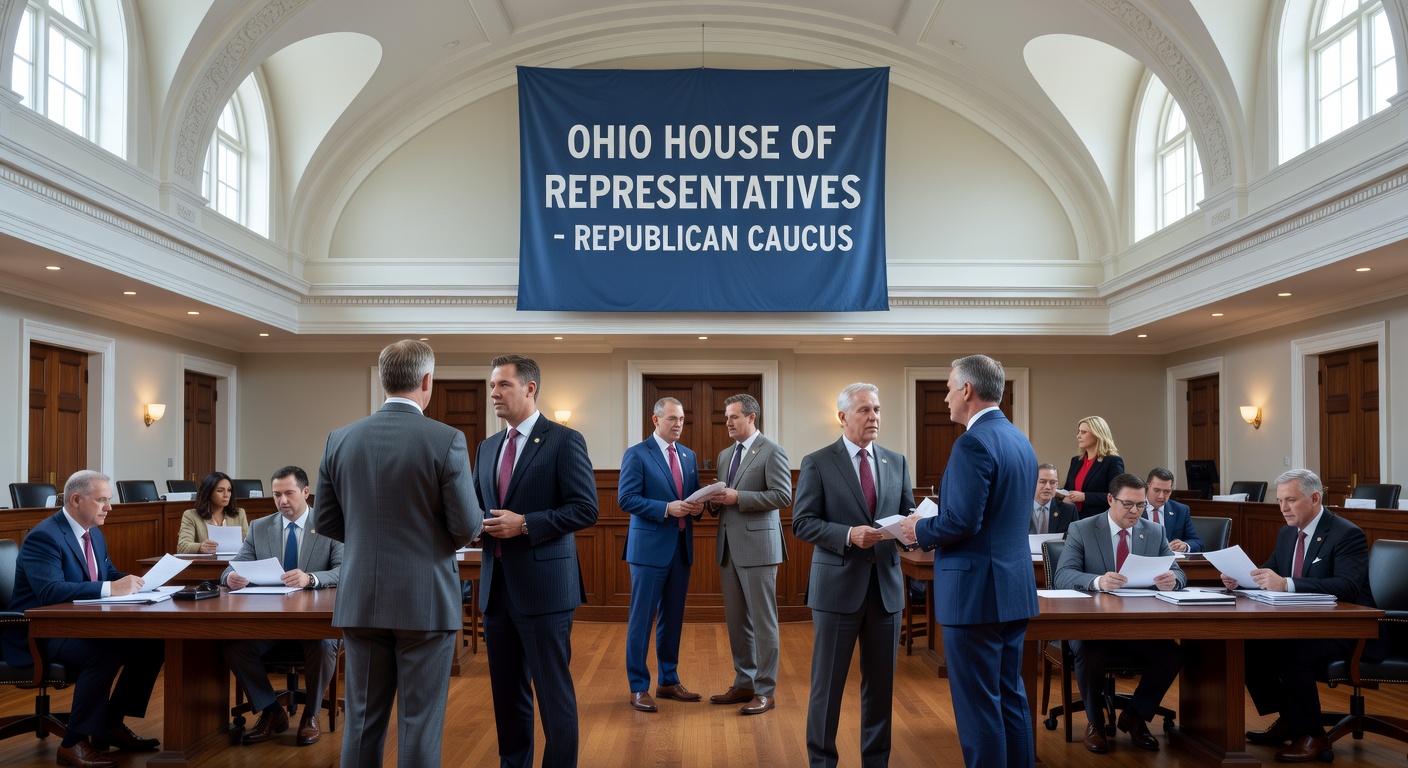
Republican lawmakers in Ohio, including State Reps. Riordan McClain, Gary Click, and Johnathan Newman, introduced legislation last week aimed at reining in the rapid expansion of online sports betting; the measure seeks to impose limits on bet frequency and size, while also restricting marketing practices and prohibiting credit card usage for wagers. This comes three years after voters and lawmakers greenlit sports betting in 2021, a move that Gov. Mike DeWine now openly regrets having signed into law. As of April 2026, with online platforms dominating the scene, concerns over social harms like surging problem gambling rates, elevated crime levels, increased suicides, and even statewide credit score declines have prompted this legislative response.
Those who've tracked Ohio's gambling landscape note how quickly the industry took off post-legalization; operators flooded the market with apps and promotions, drawing in millions of users who placed bets from their phones. But here's the thing: data from 2025 reveals the true scale of the operation, showing online gambling generated $888 million more for companies than they paid out to bettors, even after the state collected $178 million in taxes. Figures like these, detailed in recent reports, underscore why lawmakers acted now, especially since $533 million in profits flowed out of state boundaries, leaving just $355 million behind.
Details of the Proposed Legislation
The bill, spearheaded by McClain, Click, and Newman, targets the most aggressive aspects of online sports betting; it would cap the number of bets individuals can place daily or weekly, while also setting firm limits on wager amounts to prevent rapid losses. Marketing gets a makeover too, with bans on flashy ads during live sports broadcasts or on social media platforms geared toward young adults, and credit cards face an outright prohibition for funding accounts, forcing users toward debit or other verified methods. Proponents argue these changes address the "always-on" nature of apps that ping users with bonuses and odds updates around the clock.
Take the bet frequency limits: experts who've studied similar reforms in other states point out how such caps have slowed down compulsive behavior, allowing problem gamblers a chance to pause before losses mount. And while the bill doesn't outlaw betting entirely, it shifts the focus from high-volume play to more measured participation; that's where the rubber meets the road for lawmakers who see unchecked growth as a ticking time bomb. Now, as Ohio enters April 2026, the proposal lands amid peak sports seasons, with March Madness echoes still fresh and NFL drafts looming.
Gov. Mike DeWine's Change of Heart
Gov. DeWine, who affixed his signature to the 2021 legalization bill amid promises of tax revenue windfalls, has since voiced deep reservations; public statements from the governor highlight how the social costs outweighed the fiscal gains, with addiction helplines overwhelmed and families reporting financial ruin. Observers note his regret stems from firsthand accounts of constituents struggling with debts piled up through mobile wagers, a far cry from the controlled casino environments he'd envisioned.
What's interesting here is how DeWine's stance aligns with the Republican trio's push; although he hasn't formally endorsed the bill yet, his administration's data on rising helpline calls—up sharply since 2023—bolsters the case. And since the governor called for reforms in his latest addresses, lawmakers like McClain have cited his words directly, framing the legislation as a direct response to executive concerns.
Social Harms Fueling the Backlash
Problem gambling tops the list of issues driving this reform effort, with state agencies reporting a spike in treatment program enrollments since apps went live; crime rates have ticked upward too, particularly thefts and frauds linked to chasing losses, while suicides tied to gambling debts have drawn national attention. Even Ohio's collective credit scores have dipped, as defaults on loans and maxed-out cards ripple through communities large and small.
Data indicates these trends accelerated in 2025, the first full year of mature online operations; researchers who've analyzed patterns across legalized states observe similar fallout, but Ohio's experience stands out because of its heavy reliance on mobile betting over brick-and-mortar venues. The State Gambling Scorecard on Outflows lays bare how much revenue escapes local economies, amplifying the strain on public services already stretched thin. It's noteworthy that helplines fielded thousands more calls last year alone, with many from first-time offenders who never set foot in a casino.
One case that surfaced publicly involved a family in Columbus where mounting sports bets led to eviction; stories like this, though anecdotal, mirror broader statistics showing a 25% rise in gambling-related bankruptcies since legalization. Yet lawmakers emphasize prevention over reaction, hence the focus on credit cards—a gateway for impulse spending that experts link to 40% of problem cases.
Financial Realities Behind the Boom
Turns out, the money trail tells a stark story: in 2025, online platforms raked in $888 million net after payouts, a figure that dwarfs the $178 million tax haul funneled to state coffers for education and addiction programs. But $533 million vanished to out-of-state operators and affiliates, retaining only $355 million within Ohio's borders; that's money not circulating locally, not supporting jobs beyond the app developers' servers.
Figures reveal how operators profit handsomely from the house edge amplified by constant access; bettors, meanwhile, face odds stacked against them, with promotional "free bets" often coming with steep playthrough requirements. And since Ohio lacks a robust in-state operator ecosystem—unlike Pennsylvania or New Jersey—most winnings head east or overseas, leaving taxpayers to foot the bill for social fallout. Observers who've crunched the numbers point out that without curbs, these outflows could double by 2027, straining budgets already pinched by post-pandemic recovery.
So the legislation doesn't just tweak rules; it aims to recapture value by discouraging high-frequency play that feeds corporate coffers. People in the industry counter that taxes already fund good causes, but data shows otherwise when social costs enter the equation—treatment programs alone cost millions annually, far outpacing initial projections.
What's Next for Ohio Bettors and Lawmakers
The bill now heads to committee hearings, where industry lobbyists will clash with addiction advocates; passage remains uncertain, but with DeWine's support and bipartisan grumblings over harms, odds favor some version advancing. As April 2026 unfolds, bettors continue wagering freely, yet the writing's on the wall: unchecked growth invites tighter reins.
Those who've followed similar battles in Indiana or Michigan know reforms often start modest but gain teeth over time; Ohio's move could set a precedent, especially if financials worsen. For now, the focus stays on balancing revenue dreams against real-world fallout.
Conclusion
Ohio's latest legislative gambit against online sports betting encapsulates a national tension between economic lures and social safeguards; with McClain, Click, and Newman leading the charge, backed by DeWine's regrets and hard data on harms and outflows, the state edges toward a more restrained model. Whether caps on bets, ads, and cards stick remains to be seen, but 2025's $888 million operator windfall—and the $533 million exodus—ensures the debate rages on, shaping gambling's future in the Buckeye State and beyond.